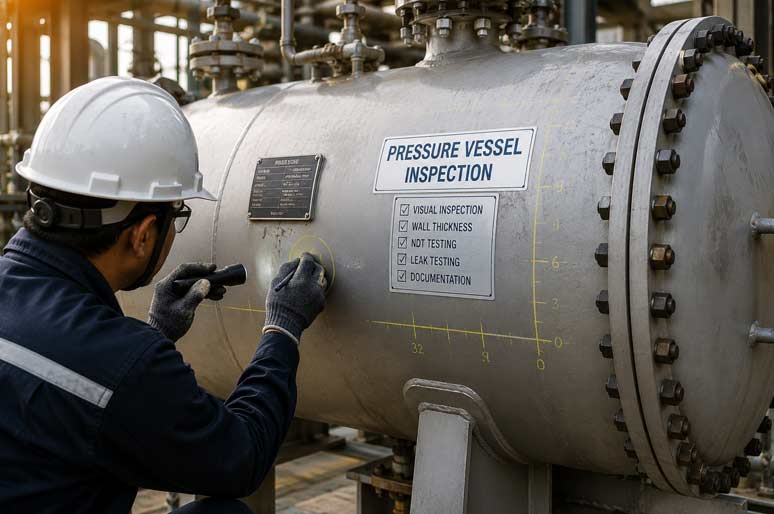
Essential Pressure Vessel Inspection Practices for Safe and Reliable Operations
Pressure vessels are among the most critical assets used in industries such as oil and gas, petrochemical processing, power generation, and manufacturing. These vessels are designed to safely contain liquids or gases under high pressure, making their structural integrity essential for protecting personnel, maintaining production, and complying with industry regulations.
Because pressure vessels operate under continuous mechanical and thermal stress, even minor defects can develop into serious safety hazards if they go unnoticed. Establishing a well-planned inspection program helps organizations detect deterioration early, maintain equipment reliability, and prevent unexpected shutdowns that can disrupt operations.
Begin with a Risk-Based Inspection Strategy
Every pressure vessel operates under different conditions, which means inspection intervals should be based on risk rather than a fixed schedule. Factors such as operating pressure, temperature, corrosion rate, service environment, and previous inspection history all influence the condition of the equipment.
A risk-based approach allows maintenance teams to prioritize inspections on high-risk assets while optimizing maintenance resources. This strategy improves safety and reduces unnecessary inspection costs without compromising reliability.
Combine Visual and Advanced Inspection Techniques
A complete pressure vessel assessment requires more than a simple visual examination. Qualified inspectors often combine several inspection methods to obtain a comprehensive understanding of the vessel's condition.
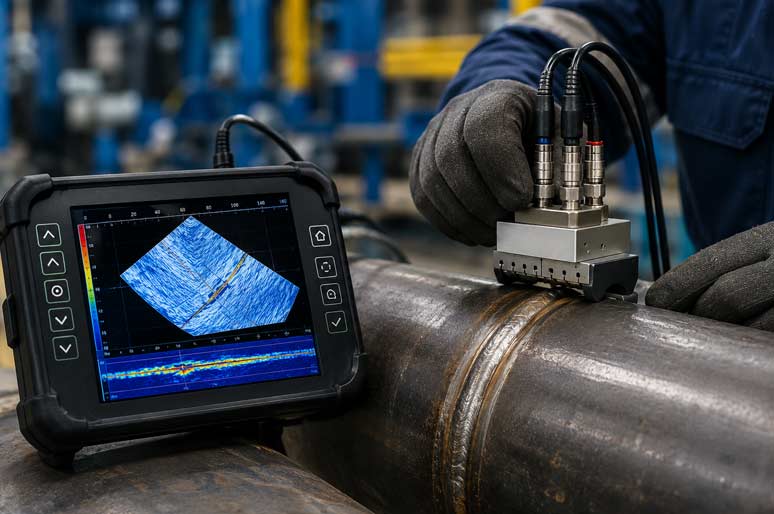
Visual inspections help identify surface corrosion, coating damage, leaks, deformation, or mechanical wear. For hidden or internal defects, advanced Non-Destructive Testing (NDT) methods such as Ultrasonic Testing (UT), Phased Array Ultrasonic Testing (PAUT), Magnetic Particle Testing (MT), Radiographic Testing (RT), and Liquid Penetrant Testing (PT) provide accurate results without damaging the equipment.
Using multiple inspection techniques ensures both visible and concealed defects are identified before they affect operational performance.
Monitor Corrosion Before It Becomes Critical
Corrosion remains one of the leading causes of pressure vessel deterioration. Internal process fluids, moisture, aggressive chemicals, and environmental exposure can gradually reduce wall thickness and weaken structural integrity.
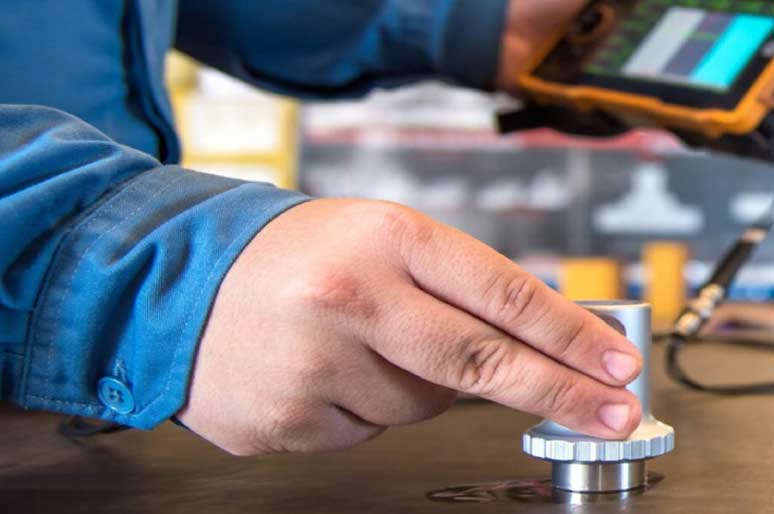
Routine thickness measurements and corrosion monitoring programs help inspectors evaluate material loss over time. Identifying corrosion at an early stage allows operators to plan repairs, apply protective coatings, or replace damaged components before safety is compromised.
Verify Compliance with Industry Standards
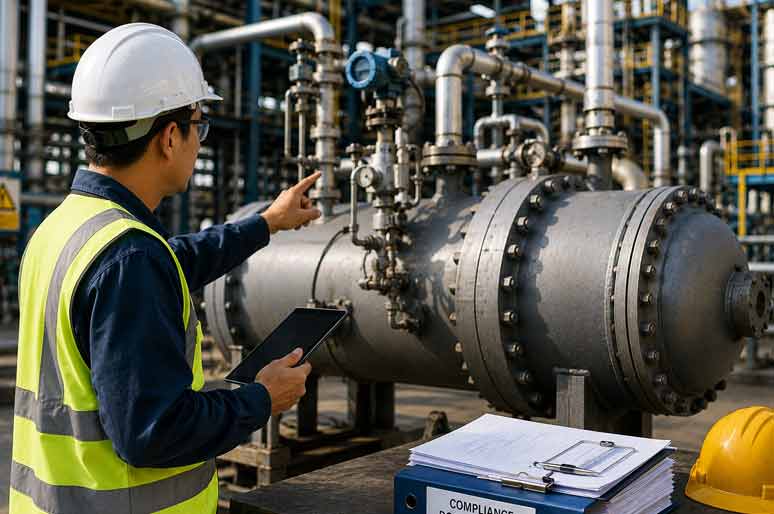
Pressure vessels are subject to strict engineering codes and regulatory requirements. Regular inspections help verify that equipment continues to meet applicable standards throughout its operating life.
Accurate inspection reports, testing records, calibration certificates, and maintenance documentation are essential for demonstrating compliance during audits and supporting future maintenance decisions. Well-maintained documentation also improves traceability and simplifies long-term asset management.
Invest in Qualified Inspection Professionals
Even the most advanced inspection equipment depends on experienced professionals who understand inspection procedures, engineering standards, and defect evaluation. Certified inspectors know how to interpret inspection results accurately and recommend appropriate corrective actions based on the equipment's condition.
Working with a professional inspection company ensures that every assessment is performed consistently, objectively, and according to internationally recognized quality practices.
Preventive Maintenance Extends Equipment Life
Inspection is only one part of an effective asset integrity program. Findings from inspections should be integrated into preventive maintenance plans to address developing issues before they become major failures.
Repairing minor defects, replacing worn components, monitoring corrosion trends, and scheduling periodic inspections all contribute to longer equipment life, improved operational efficiency, and reduced maintenance costs. Preventive maintenance also minimizes unplanned shutdowns, helping facilities maintain stable production.
Reliable Inspection Services for Critical Industrial Assets
Industrial facilities require inspection partners who understand the challenges of maintaining pressure equipment in demanding operating environments. FE Validate provides professional Source Inspection, Quality Surveillance, and Non-Destructive Testing (NDT) services that help organizations verify equipment quality and maintain compliance throughout the asset lifecycle.
With experienced inspectors, advanced inspection technologies, and a commitment to quality, FE Validate supports clients in making informed maintenance decisions while improving safety and operational reliability.
A Strong Inspection Program Builds Long-Term Confidence
Pressure vessel inspection should never be viewed as a one-time activity. It is an ongoing process that protects valuable assets, supports regulatory compliance, and reduces operational risk. Companies that follow industry best practices and partner with experienced inspection specialists are better prepared to maintain safe, efficient, and reliable industrial operations for years to come.

Discussion (0)
Be the first to share your thoughts.