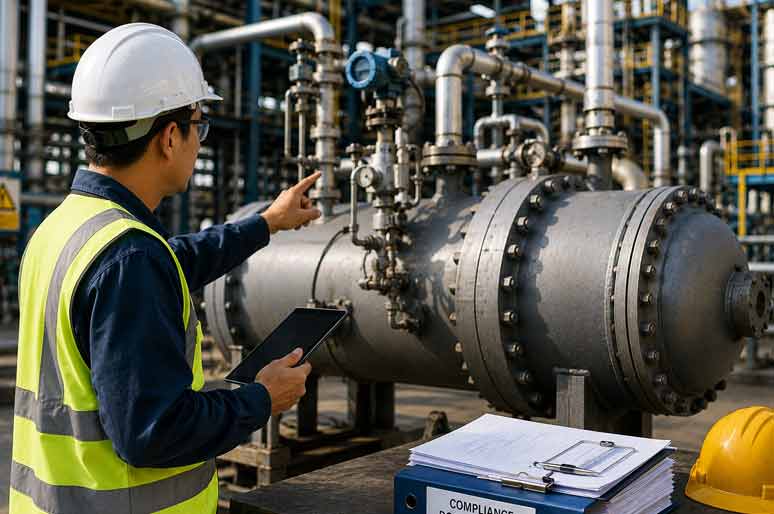
Industrial Equipment Compliance and Risk Management: A Guide to Safer Operations
Industrial facilities operate in highly demanding environments where equipment is expected to perform safely, efficiently, and consistently. Whether in oil and gas, petrochemical plants, power generation, or manufacturing facilities, maintaining compliance with industry regulations while managing operational risks is essential for protecting employees, safeguarding assets, and ensuring uninterrupted production.
Equipment failures, regulatory violations, or overlooked safety issues can result in costly downtime, financial losses, and significant operational challenges. Implementing a comprehensive compliance and risk management strategy enables organizations to identify potential hazards before they escalate, ensuring every piece of equipment performs according to established engineering and safety standards.
Creating a Strong Foundation for Safe Operations
Compliance is much more than meeting legal requirements. It involves developing systematic processes that ensure equipment is designed, manufactured, installed, and maintained according to recognized industry standards.
A structured compliance program includes regular inspections, documentation reviews, equipment certification, maintenance verification, and performance monitoring. These activities help organizations demonstrate accountability while reducing the likelihood of unexpected equipment failures.
Companies that consistently follow compliance procedures create safer workplaces and establish greater confidence among customers, project stakeholders, and regulatory authorities.
Identifying Risks Before They Become Critical Problems
Risk management begins with understanding where failures are most likely to occur. Industrial equipment is constantly exposed to pressure, vibration, corrosion, temperature fluctuations, and continuous operational loads that can gradually affect performance.
Regular assessments allow engineers and inspectors to evaluate equipment condition, identify deterioration, and prioritize corrective actions before failures impact production. Instead of reacting to emergencies, businesses can make informed maintenance decisions based on actual equipment performance and inspection findings.
Early risk identification also improves project planning by reducing the possibility of unexpected shutdowns and emergency repairs.
The Importance of Inspection and Verification
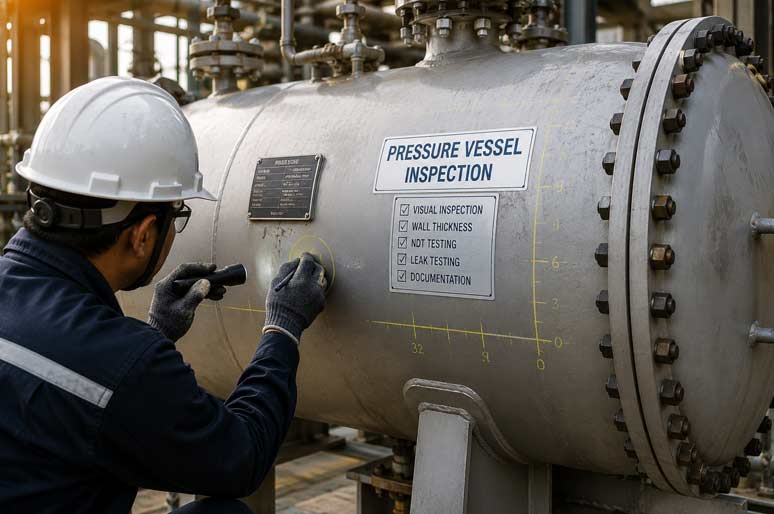
Routine inspections are one of the most effective tools for maintaining compliance and reducing operational risk. Professional inspection services verify that equipment meets project specifications, manufacturing requirements, and applicable international standards throughout its lifecycle.
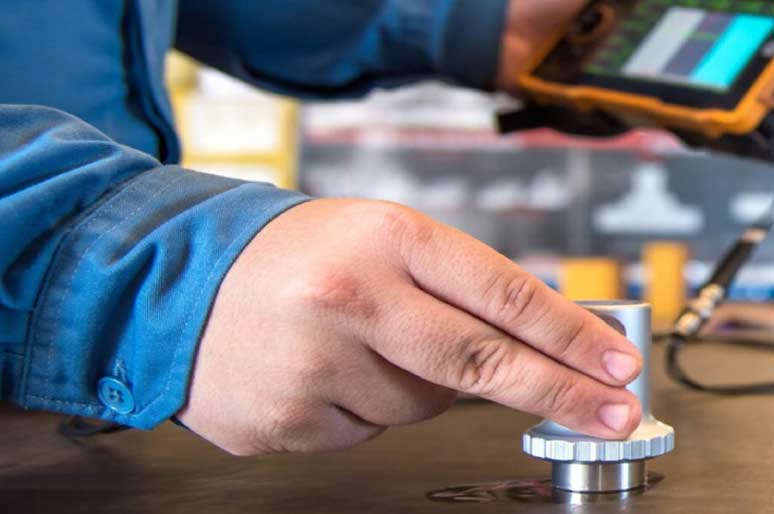
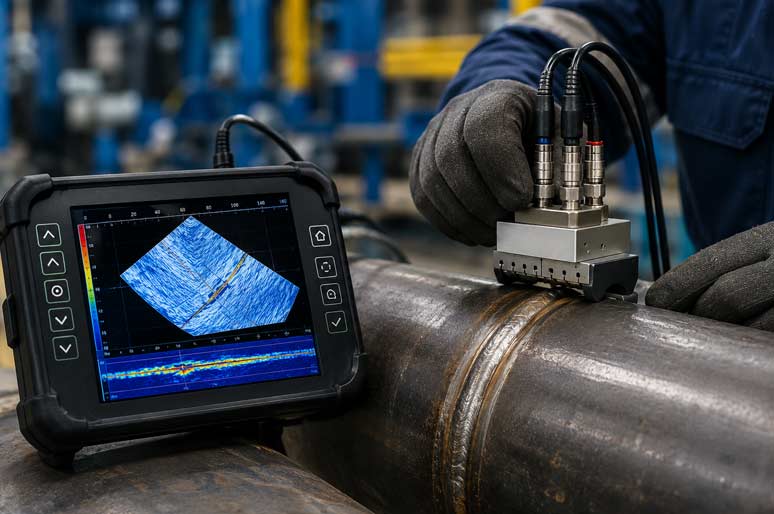
Source Inspection ensures equipment is manufactured correctly before shipment, while Quality Surveillance monitors production activities to maintain consistent quality. Advanced Non-Destructive Testing (NDT) techniques further strengthen inspection programs by identifying hidden defects without damaging valuable industrial assets.
Together, these services provide reliable information that supports safer operations and better decision-making.
Documentation Supports Long-Term Compliance
Accurate records play a vital role in successful compliance management. Inspection reports, test certificates, calibration records, maintenance logs, and quality documentation provide evidence that industrial equipment has been evaluated and maintained according to required standards.
Well-organized documentation simplifies regulatory audits, improves traceability, and helps maintenance teams monitor equipment performance over time. It also allows organizations to identify recurring issues and continuously improve their quality management systems.
Building a Culture of Continuous Improvement
Successful risk management is not achieved through inspections alone. Organizations that promote continuous improvement encourage employees, engineers, inspectors, and management teams to work together toward common safety and quality objectives.
Regular training, updated inspection procedures, improved communication, and ongoing performance reviews help businesses strengthen operational reliability while adapting to evolving industry regulations and technological advancements.
A proactive culture creates long-term value by reducing operational uncertainty and supporting sustainable industrial growth.
Professional Inspection Services That Strengthen Compliance
Maintaining compliance requires experienced professionals who understand engineering standards, inspection procedures, and quality management systems. FE Validate delivers specialized Source Inspection, Quality Surveillance, and Non-Destructive Testing (NDT) services that help organizations verify equipment quality and effectively manage operational risks.
With highly qualified inspectors and extensive industry experience, FE Validate supports upstream, midstream, and downstream oil and gas projects by providing independent inspection services that improve quality assurance, regulatory compliance, and asset reliability.
Strengthening Industrial Performance Through Smart Risk Management
Industrial equipment represents a significant investment, making proper compliance and risk management essential for long-term operational success. Organizations that prioritize inspections, quality verification, preventive maintenance, and regulatory compliance are better equipped to reduce failures, improve equipment performance, and maintain safe working environments.
By partnering with trusted inspection specialists and implementing structured risk management practices, companies can build resilient industrial operations that continue to perform reliably in today's demanding industrial landscape.

Discussion (0)
Be the first to share your thoughts.