Understanding Non-Destructive Testing Methods for Modern Industrial Inspection
Industrial facilities depend on the strength and reliability of their equipment every day. Even the smallest crack, corrosion spot, or hidden defect can lead to expensive failures, production delays, or serious safety risks. Because replacing or dismantling equipment for inspection is often impractical, industries rely on Non-Destructive Testing (NDT) to evaluate the condition of critical assets while keeping them fully functional.
Unlike traditional testing methods, NDT allows engineers and inspectors to examine materials, welds, pipelines, pressure vessels, and mechanical components without causing any physical damage. This makes it one of the most valuable quality assurance techniques used throughout the oil and gas, petrochemical, energy, and manufacturing industries.
Understanding the Purpose of NDT
Non-Destructive Testing is designed to identify defects before they become operational problems. Instead of waiting for equipment to fail, companies can inspect assets during manufacturing, installation, or routine maintenance to detect imperfections at an early stage.
This proactive approach helps organizations reduce maintenance costs, improve operational reliability, and ensure that equipment continues to meet industry standards throughout its service life.
Common Inspection Techniques Used Across Industries
Different industrial applications require different inspection methods depending on the material, component design, and operating environment.
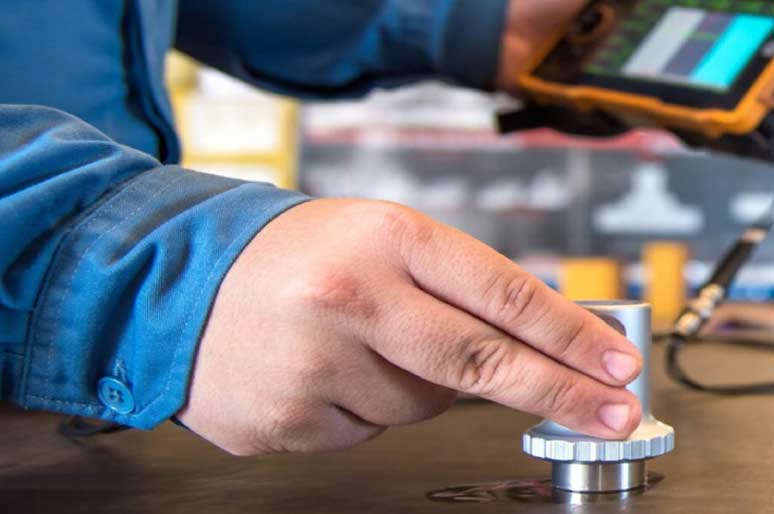
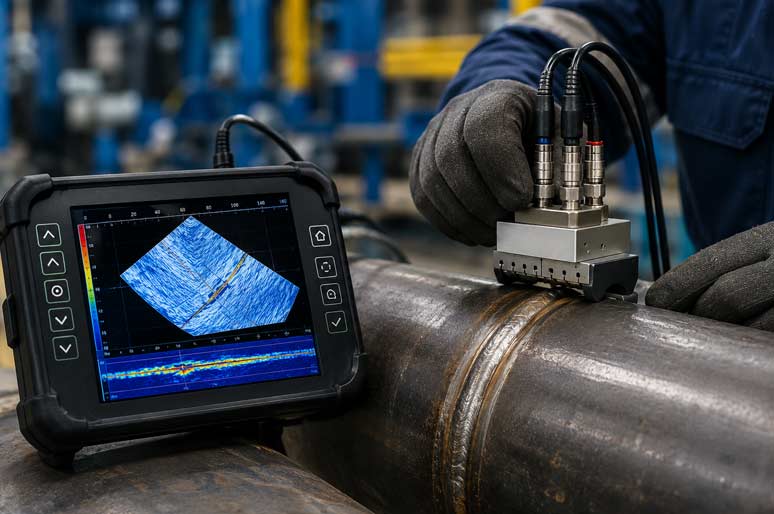
Ultrasonic Testing (UT) uses high-frequency sound waves to locate internal defects and accurately measure material thickness.
Radiographic Testing (RT) produces detailed internal images that help inspectors identify hidden flaws inside welds and structural components.
Magnetic Particle Testing (MT) is commonly applied to ferromagnetic materials to reveal cracks near the surface that may not be visible during a standard inspection.
Liquid Penetrant Testing (PT) is an effective technique for detecting tiny surface-breaking defects in both metallic and non-metallic materials.
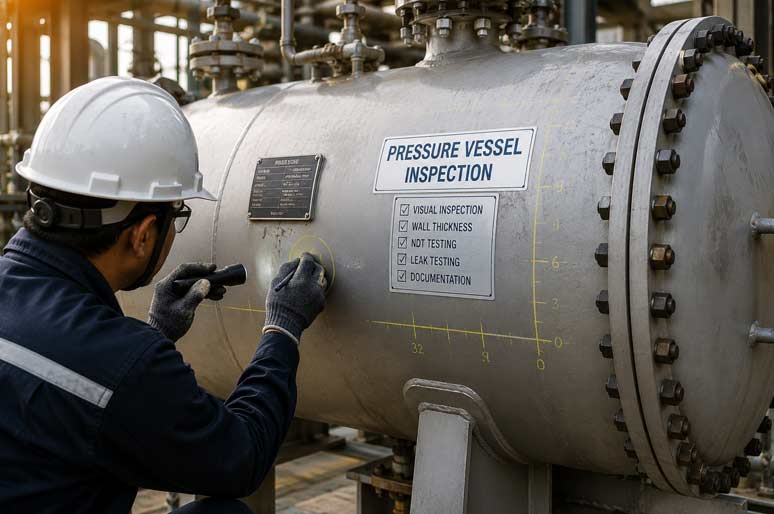
Visual Testing (VT) remains one of the most important inspection methods, providing an initial assessment of equipment condition before advanced testing techniques are applied.
Selecting the appropriate method depends on the equipment type, inspection objective, and applicable engineering standards.
Improving Asset Reliability Through Preventive Inspection
Regular NDT inspections help industries shift from reactive maintenance to preventive asset management. Instead of responding to unexpected failures, maintenance teams receive accurate information about equipment condition and can schedule repairs before serious problems develop.
This not only minimizes production interruptions but also extends equipment life and improves overall plant performance.
Industries That Depend on Non-Destructive Testing
NDT plays an essential role in numerous industrial sectors where safety and quality cannot be compromised. Oil and gas companies use inspection services to evaluate pipelines, storage tanks, pressure vessels, offshore equipment, and refinery systems. Manufacturing facilities rely on NDT to verify weld quality and production standards, while power generation plants inspect critical components to ensure continuous and reliable operation.
As industrial projects become increasingly complex, dependable inspection services have become a key part of maintaining compliance and operational excellence.
Professional Inspection Services That Deliver Confidence
Successful inspection programs require more than advanced testing equipment—they require experienced professionals capable of interpreting results accurately and providing practical recommendations. FE Validate delivers specialized Source Inspection, Quality Surveillance, and Non-Destructive Testing services that help clients maintain product quality, verify manufacturing compliance, and reduce operational risks.
By combining qualified inspectors with internationally recognized inspection practices, FE Validate supports industrial organizations in achieving safer operations and greater confidence in their equipment performance.
Looking Ahead
As industries continue investing in larger and more sophisticated facilities, the demand for reliable inspection services will continue to grow. Non-Destructive Testing remains one of the most effective tools for protecting valuable assets, improving quality assurance, and preventing costly failures before they occur. Companies that integrate NDT into their maintenance and inspection programs are better equipped to operate safely, efficiently, and with long-term confidence.


Discussion (0)
Be the first to share your thoughts.